

What Makes Indian Rummy a Classic Card Game
Indian rummy is one of the most played card games in the country, blending logic, memory, and timing into fast rounds that suit both casual and competitive play. Often called paplu, the game evolved from classic rummy traditions brought during the colonial era and reshaped to match local habits. Over time, indian rummy became a staple at family tables, festival nights, and social gatherings.
Unlike chance-heavy card games, this format rewards structured thinking. Every move matters. Every discard sends a signal. That balance explains why rummy all formats continue to attract players across generations. Today, the same core rules also power many new rummy game platforms without losing their original feel.
Cultural and Social Roots
Indian rummy is rarely played in isolation. It is commonly associated with:
- Family evenings and celebrations
- Friendly competition among peers
- Long sessions that mix conversation with strategy
That social layer still exists online, where the you know rummy game experience keeps players engaged through quick rounds and familiar mechanics.
Why the Game Still Feels Fresh
The game stays relevant because:
- Rules are easy to learn but hard to master
- Each hand unfolds differently
- Skill outweighs luck over time
That mix keeps both beginners and experienced players coming back.
Players, Decks, and Basic Setup

A standard indian rummy table usually hosts between two and six players. The game uses two standard decks of 52 cards, including printed jokers. Each participant receives 13 cards at the start of a deal.
The setup is simple, yet precise. Once cards are dealt, the remaining deck becomes the draw pile, and one card is turned face up to begin the discard pile. From that moment, every decision affects the flow of the round.
Core Objective
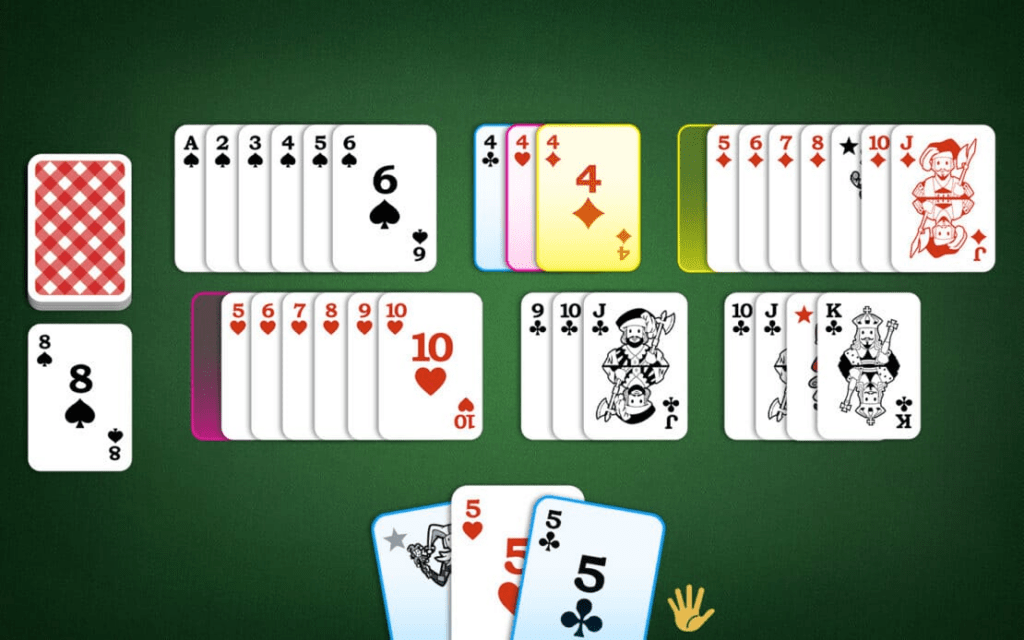
The goal is to arrange all 13 cards into valid sequences and sets. A player who completes this arrangement and declares correctly ends the round. Points are then calculated for the remaining players.
What Defines a Round
A full round includes:
- One deal per player at the table
- Score accumulation after each deal
- Final ranking based on total points
This structure rewards consistency, not just one strong hand.
Understanding the Wild Card and Jokers
After shuffling, a random card is selected to act as the wild card for that deal. All cards of the same rank become wild cards. Jokers already included in the deck also act as substitutes, with one important exception.
If a printed joker is chosen as the wild card, then only printed jokers function as wilds for that round. The exposed wild card itself is not used in play.
Why Wild Cards Matter
Wild cards add flexibility, but also risk. Used well, they can rescue weak hands. Used poorly, they can block stronger combinations later.
Players who rush to spend jokers often regret it. Timing is everything in indian rummy.
Drawing, Discarding, and Turn Flow

Each turn follows a fixed rhythm. A player draws one card, either from the closed deck or the top of the discard pile. After evaluating the hand, one card must be discarded face up.
This cycle continues clockwise until someone declares.
Strategic Signals at the Table
Discard choices reveal intent. Drawing from the discard pile exposes needs. Observant players track these signals closely, especially in longer games.
Ask yourself during every turn: what does this move tell the table?
Melding: Sequences and Sets Explained
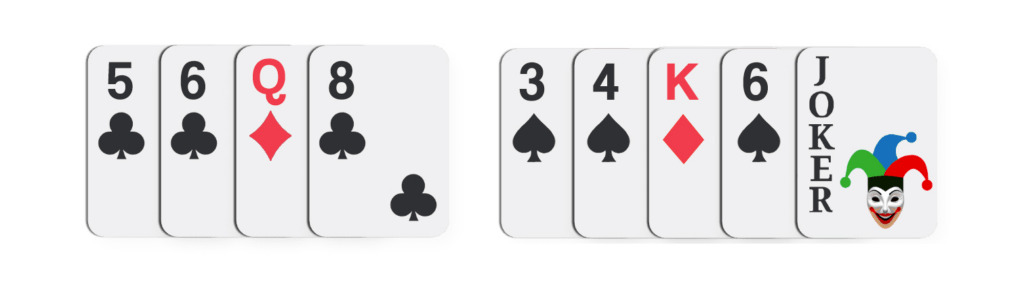
Melding is the backbone of the you know rummy game. A valid declaration depends entirely on how cards are grouped.
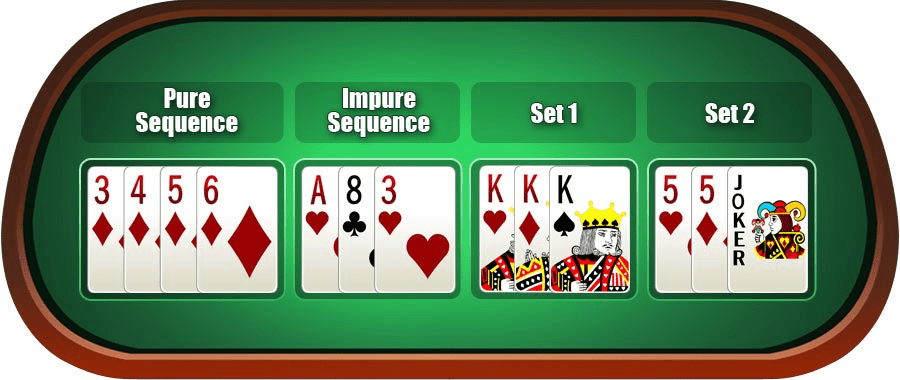
Pure and Impure Sequences
A sequence is three or more consecutive cards of the same suit. At least one pure sequence is mandatory.
- Pure sequence: no joker used
- Impure sequence: joker substitutes one or more cards
Without a pure sequence, a declaration is always invalid, regardless of other combinations.
Sets and Their Role
A set consists of three or four cards of the same rank in different suits. Sets add flexibility but cannot replace the required pure sequence.
Common valid combinations include:
- 2-3-4 of Hearts (sequence)
- 8 of Hearts, Clubs, Diamonds (set)
Balancing sequences and sets defines strong play in indian rummy.
Valid Declaration and Scoring Rules
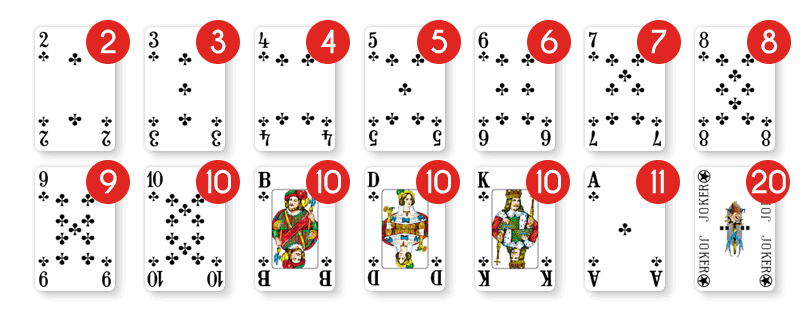
Once all cards are arranged correctly, a player can declare. The hand is checked to confirm at least one pure sequence and proper grouping of all cards.
After a valid declaration:
- Remaining players reveal their hands
- Points are counted based on ungrouped cards
- Lower scores indicate stronger performance
High-value cards such as face cards and aces carry heavier penalties when left unused.
Typical Card Values
| Card Type | Point Value |
| Number cards (2–10) | Face value |
| Jack, Queen, King | 10 points each |
| Ace | 10 points |
| Joker | 0 points |
This scoring system pushes players to reduce risk early rather than chase unlikely combinations.
Core Tactics Used by Skilled Players
Experienced players rely on patterns rather than impulse. The most effective habits remain consistent across rummy all formats.
Key tactical principles include:
- Building a pure sequence first
- Discarding high-point cards early if unused
- Watching opponent picks and discards
- Keeping backup sequences in progress
Flexibility separates average players from strong ones. A hand that looks weak can still recover with calm decisions.
How Modern Play Expands the Experience
Digital formats introduced faster rounds, automatic scoring, and structured variations. Yet the heart of the new rummy game experience remains unchanged. The same sequences, sets, and timing still decide outcomes.
Players who understand offline rules adapt instantly online. That continuity explains why indian rummy remains one of the most trusted card formats across platforms.
Popular Variations Within Rummy All Formats
Indian rummy is not limited to a single fixed structure. Over time, several formats emerged, each keeping the same foundation while changing pace and scoring. These versions are often grouped under rummy all categories and appeal to different play styles.
The most common formats include:
- Points rummy, focused on speed and quick scoring
- Deals rummy, based on a fixed number of deals
- Pool rummy, where elimination depends on point limits
Each format shifts priorities. Some reward fast declarations, others favor long-term planning. Knowing which version you are playing changes how aggressively you chase sequences.
How Formats Affect Strategy
In faster formats, holding risky cards is costly. In longer formats, controlled risk can pay off. That is why experienced players adjust their discard habits and joker usage depending on the structure.
Have you noticed how the same hand feels stronger or weaker depending on the format?
Reading Opponents and Table Dynamics
Strong indian rummy play depends on observation as much as card management. Every pick from the discard pile sends information. Every ignored card also speaks.
Skilled players track:
- Suits opponents avoid discarding
- Ranks repeatedly picked from the open pile
- Speed of turns, which hints at hand strength
These clues help predict which cards are dangerous to discard and which are safe to release.
Defensive Discarding
Sometimes the best move is not improving your hand but slowing others. Discarding neutral cards and avoiding obvious enablers keeps opponents guessing and limits their options.
Managing Risk and Timing the Declaration
Declaring too late invites danger. Declaring too early risks an invalid hand. The balance lies in recognizing when flexibility turns into exposure.
Strong timing usually involves:
- One confirmed pure sequence
- One additional sequence or set near completion
- Minimal high-value cards remaining
Once that balance is reached, hesitation often benefits others more than you.
Common Mistakes New Players Make
Many players lose points not because of bad luck, but because of repeatable errors. Recognizing these habits improves results quickly.
Typical mistakes include:
- Holding face cards too long
- Overusing jokers in early combinations
- Ignoring opponent behavior
- Focusing on sets before securing a pure sequence
Correcting even one of these habits noticeably improves outcomes in the you know rummy game experience.
From Physical Cards to Digital Tables
The transition to digital play preserved the essence of indian rummy while improving accessibility. Online formats automate shuffling, dealing, and scoring, allowing players to focus purely on decisions.
Despite the shift, core skills remain unchanged:
- Pattern recognition
- Memory of discarded cards
- Adaptability under pressure
Players who master offline play usually adapt fastest online, especially when exploring any new rummy game variation.
Why Indian Rummy Rewards Skill Over Time
Short-term outcomes vary, but over many rounds, skill consistently outperforms chance. That long-term balance explains the game’s enduring popularity.
Indian rummy rewards:
- Discipline in discarding
- Patience in sequence building
- Awareness of table flow
Those qualities apply across all rummy all formats and separate consistent winners from casual participants.
Choosing the Right Deck and Play Environment
Whether played casually or competitively, card quality matters. Clear prints, durable stock, and consistent sizing improve focus and reduce errors during long sessions.
Players often prefer:
- Standard 52-card decks with clear indices
- Smooth finishes for easier handling
- Consistent joker designs to avoid confusion
The right setup keeps attention on decisions, not distractions.
Key Takeaways for Confident Play
Indian rummy remains popular because it balances simplicity with depth. Learning rules takes minutes. Mastery takes patience.
To improve steadily:
- Secure a pure sequence early
- Reduce point exposure quickly
- Read opponent behavior
- Adapt to the chosen format
With these habits, every session becomes sharper and more controlled.