

What Is Rummy 91 and Why Players Choose It
Rummy 91 is a popular way players describe indian rummy played with 13 cards, where skill, memory, and timing decide the outcome. The format is familiar across India, whether the table is physical or digital. Each player receives 13 cards and competes to arrange them into valid combinations before anyone else declares.
What makes rummy 91 stand out is the balance. Luck matters in the draw, but smart decisions shape the result. A single poor discard can help an opponent move closer to a rummy win, while one sharp pickup can change your entire hand. This mix keeps the game tense and replayable.
Players often call it rummy good because progress is visible. You feel improvement quickly. After a few rounds, patterns emerge, mistakes reduce, and decisions feel sharper. That sense of control is why indian rummy remains a long-term favorite.
Core Objective of Indian Rummy
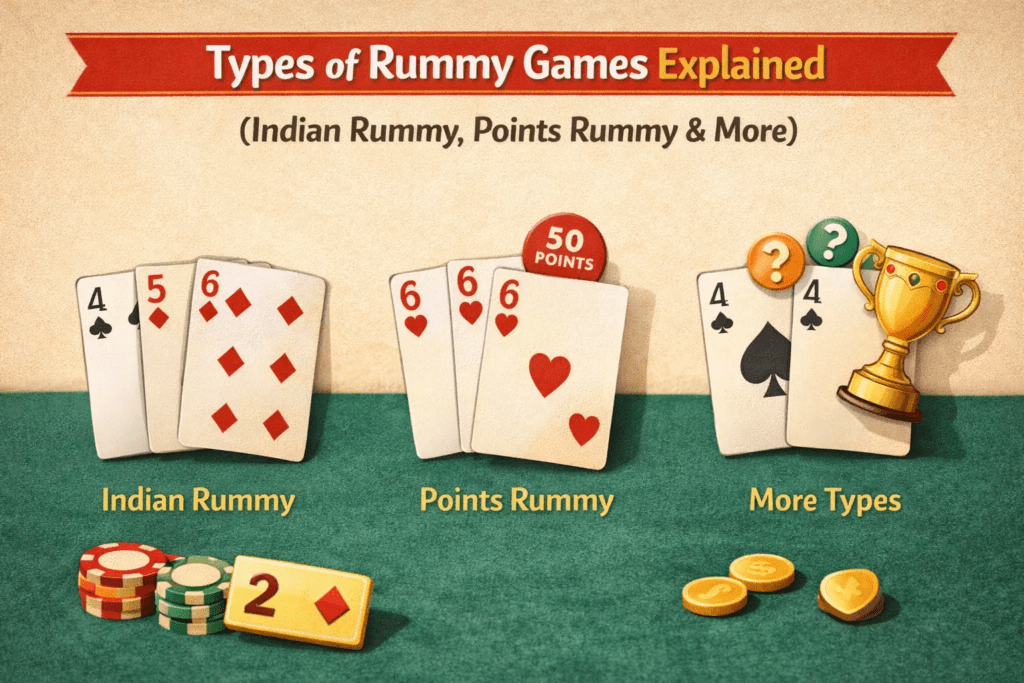
The aim is simple on paper but demanding in play. You must arrange all 13 cards into valid sequences and sets and then declare correctly.
To make a legal declaration, every hand must include:
- At least two sequences
- One pure sequence without jokers
- Remaining cards grouped as sequences or sets
Miss any of these, and the declaration fails. That risk is part of the thrill.
Players and Deck Setup

Indian rummy usually supports:
- 2 to 6 players
- One or two standard 52-card decks
- Printed jokers included
The number of decks increases with more players to keep card flow smooth.
Why Rummy Is a Skill Game

Rummy winner outcomes are not random over time. Skilled players:
- Track discards
- Manage risk
- Control high-value cards
- Read opponents’ intent
Over multiple games, better decisions consistently outperform chance.
Card Dealing and Game Flow Explained
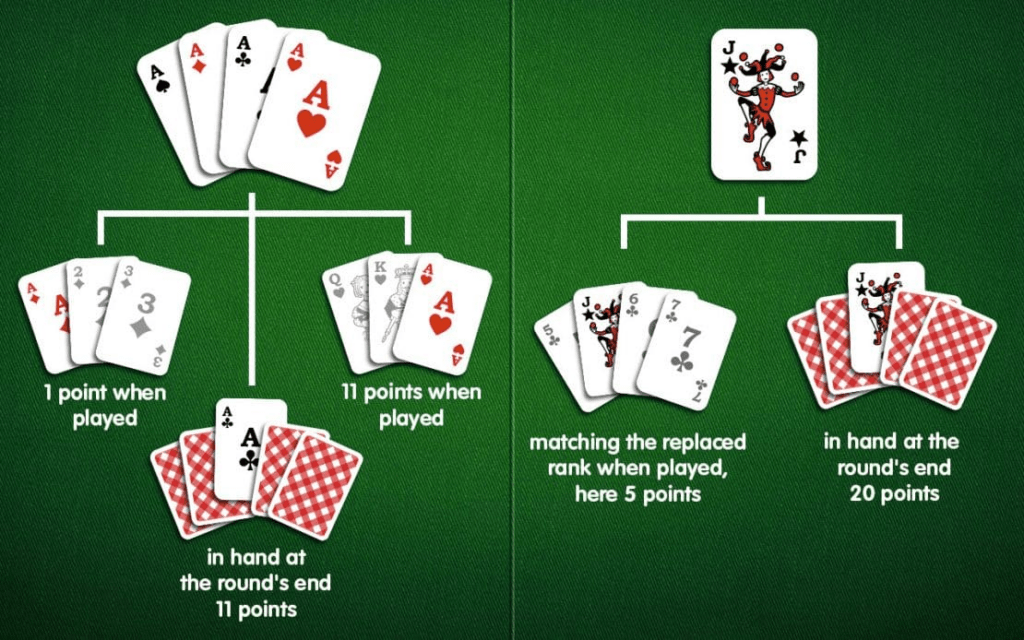
Every round begins with shuffling and dealing 13 cards to each player. One card is selected at random as the wild joker, which substitutes for any rank or suit except in a pure sequence.
The remaining cards form:
- A closed deck placed face down
- An open pile with one card face up
Each turn follows the same rhythm: draw one card, discard one card. This continues clockwise until someone declares.
Drawing Options Each Turn
Players choose carefully between:
- Closed deck for unknown value
- Open pile for a visible, tactical pick
That choice often reveals intent to observant opponents.
Discarding With Purpose
Every discard sends information. Strong players avoid feeding opponents and use discards to test reactions. A careless discard can hand over a missing piece to a g rummy expert across the table.
When a Declaration Happens
A player declares once all cards form valid combinations. The hand is then checked for accuracy. If valid, that player becomes the rummy winner of the round.
Valid Sequences in Indian Rummy

Sequences form the backbone of indian rummy. Without them, winning is impossible.
Pure Sequence Rules
A pure sequence contains:
- Three or more consecutive cards
- Same suit
- No jokers used
Examples include 4♥ 5♥ 6♥ or 10♠ J♠ Q♠. At least one such sequence is mandatory.
Impure Sequence Rules
An impure sequence allows jokers to replace missing cards. For example, 7♦ 8♦ Joker qualifies if the joker stands in for 9♦.
While useful, impure sequences cannot replace the required pure sequence.
Strategic Value of Sequences
Strong hands often build:
- One long pure sequence early
- A second sequence using a joker
- Flexible sets as backups
This structure gives safety during declaration.
Sets and Their Role in Winning

Sets consist of cards with the same rank but different suits. They help complete hands once sequences are secured.
Valid Set Conditions
A legal set must have:
- Three or four cards
- Same rank
- Different suits
Jokers may be used, but at least one card must be natural.
When to Build Sets
Sets work best after your pure sequence is locked. Early focus on sets can slow progress and increase risk.
Sets vs Sequences Decision
Experienced players usually:
- Prioritize sequences
- Use sets to absorb extra cards
- Break weak sets if a sequence opportunity appears
That flexibility separates average players from consistent rummy win results.
Key Rules Every Player Must Remember
Even small rule mistakes can cost a round. The most common rules to keep in mind include:
- No declaration without a pure sequence
- All 13 cards must be grouped
- Wrong declaration leads to penalty points
- Jokers cannot form a pure sequence
Remembering these basics prevents avoidable losses.
Practical Tips to Improve Your Rummy Win Rate

Skill grows through habits, not tricks. Players who win more often follow clear principles.
Smart Card Management
Focus on:
- Discarding high-value cards early
- Avoiding attachment to weak hands
- Keeping options open until mid-game
Holding Kings or Aces too long is a common mistake.
Joker Usage Strategy
Use jokers to:
- Complete impure sequences
- Strengthen sets
- Reduce hand rigidity
Never waste a joker in a position that blocks better combinations later.
Reading Opponents
Watch:
- Repeated suit pickups
- Avoided discards
- Sudden changes in discard pattern
These signals often reveal near-complete sequences.
Common Variations of Indian Rummy

Different formats keep the game fresh while using the same core rules.
Points Rummy
Each card carries points. The winner scores zero, others add penalties. Speed and accuracy matter most here.
Deals Rummy
A fixed number of deals is played. Chips or points are distributed at the start, and consistency decides the final rummy winner.
Pool Rummy
Players are eliminated after crossing a point limit. The last remaining player wins the pool, rewarding endurance and patience.
Comparison of Key Indian Rummy Elements
| Element | Requirement | Notes |
| Total cards | 13 per player | Fixed rule |
| Pure sequence | Mandatory | No jokers allowed |
| Total sequences | Minimum 2 | One must be pure |
| Jokers | Wild substitutes | Limited use |
| Declaration | Exact grouping | Errors penalized |
This structure keeps rummy 91 fair, competitive, and skill-driven.
Is Indian Rummy Legal and Trusted
Indian rummy is widely accepted as a game of skill in most regions. Its reliance on planning and decision-making places it apart from chance-based games. That legal clarity is one reason it continues to grow across platforms and private tables.
Why does it remain so popular year after year? Because improvement feels earned. Every rummy winner remembers the first clean declaration that came from smart play rather than luck.
Advanced Strategies Used by Consistent Rummy Winners
Once the basics are automatic, progress depends on control and timing. Strong players do not rush. They shape the round to reduce risk and force opponents into errors. This is where rummy good turns into reliable performance.
Hand Restructuring Mid-Game
A common mistake is locking combinations too early. Skilled indian rummy players keep hands flexible until the mid-game. They are willing to break:
- Weak sets with poor future value
- Impure sequences that block better runs
- High-point clusters that increase risk
This approach allows smoother adaptation as new cards appear.
Controlled Risk With High-Value Cards
High cards are dangerous, but dumping them instantly is not always correct. The smarter approach is conditional holding:
- Keep high cards only if they serve a clear sequence plan
- Discard immediately if no support appears after 2–3 turns
- Never hold multiple unsupported face cards together
This balance lowers penalty exposure while keeping options alive.
Tempo Awareness
Every table has a rhythm. Some rounds move fast, others stall. Winning players sense tempo by tracking:
- How quickly opponents draw from the open pile
- How often discards change suits
- When multiple players avoid declaring
When tempo slows, tighten your hand. When it accelerates, simplify and prepare to declare.
Psychological Control at the Rummy Table
Indian rummy rewards calm thinking. Emotional play leads to rushed draws and careless discards.
Avoid Signaling Your Hand
Every visible action sends information. To stay unreadable:
- Avoid repeatedly picking the same suit from the open pile
- Mix discards when possible
- Delay obvious picks if a closed draw is acceptable
This reduces predictability against experienced g rummy opponents.
Using Discards as Pressure
Discards can do more than clear your hand. They can disrupt others. Strategic discarding includes:
- Dropping cards adjacent to known opponent sequences
- Avoiding discards that complete obvious sets
- Cycling neutral cards to test reactions
Pressure often forces mistakes, especially late in the round.
Staying Detached From Losses
Even perfect play loses sometimes. Strong rummy winner profiles show one shared trait: emotional reset after every round. Carrying frustration into the next deal weakens judgment.
Common Mistakes That Block Rummy Wins
Many players plateau because they repeat the same errors. Removing these habits alone improves results.
Overusing Jokers
Jokers feel powerful, but misuse limits flexibility. Common joker errors include:
- Forcing jokers into early sets
- Blocking natural sequence growth
- Holding jokers too long without structure
A joker should solve a problem, not create one.
Ignoring Opponent Patterns
Some players focus only on their hand. That tunnel vision misses free information. Watch for:
- Repeated avoidance of certain suits
- Sudden aggressive pickups
- Late-game hesitation before discards
These clues often signal near-complete hands.
Rushed Declarations
Speed feels tempting, especially in points formats. But many losses come from incomplete checks. Before declaring, confirm:
- At least one pure sequence exists
- Total sequences are two or more
- All cards are grouped correctly
One missed card turns a win into a heavy penalty.
How Online Play Changes Indian Rummy Dynamics

Digital tables alter pacing and visibility but keep core rules intact. Rummy 91 online versions often feel faster, making discipline even more important.
Faster Rounds, Less Margin for Error
Online play removes delays. Decisions must be clean and quick. This rewards:
- Pre-planned hand structures
- Immediate discard logic
- Clear joker usage plans
Hesitation costs more online than offline.
Tracking Is Easier, Mistakes Are Not
Digital interfaces help track discarded cards, but they also log errors instantly. A wrong declaration online leaves no room for correction.
Consistency Over Volume
Playing more does not always mean improving faster. Focused sessions with review outperform endless rounds played on autopilot.
Building Long-Term Skill in Indian Rummy
Improvement comes from structure, not shortcuts. The strongest indian rummy players treat each round as data.
Review After Every Session
Ask simple questions:
- Where did structure break?
- Which discard helped an opponent?
- Did I hold points too long?
Short reviews sharpen instincts.
Develop a Personal Play Style
Some players prefer aggressive tempo, others favor safety. Both can win. The key is consistency. A stable style reduces decision fatigue and improves accuracy.
Learn From Better Players
Observe how advanced players:
- Delay commitment
- Use discards defensively
- Control endgame pressure
Adapting one habit at a time works better than copying everything.
Why Rummy 91 Remains a Skill Benchmark
Indian rummy survives trends because it rewards growth. Every rummy win feels earned, not gifted. Losses teach more than victories, and progress stays visible over time.
That balance explains why players return year after year. The game respects skill, punishes carelessness, and always leaves room to improve. Are you playing the cards, or are you playing the table?
Playing Rummy the Right Way
Rummy 91 is not about chasing lucky draws. It is about building structure, managing risk, and reading intent. Players who master these elements move from casual participation to consistent results.
When strategy replaces impulse, indian rummy becomes predictable in the best way. The path to becoming a rummy winner is clear, demanding, and fully within your control.